
Elephant Kingdom Sanctuary
Traveler Guide

How to Choose an Ethical
Elephant Sanctuary in Koh Samui

A welfare-first guide to choosing an ethical elephant sanctuary in Koh Samui, including what to ask before booking and how to identify responsible visitor experiences.

Meet The Herd

Start with what the elephants are asked to do

The first question is simple: are elephants being asked to carry people, perform tricks, pose on command, or participate in activities that primarily entertain visitors? Ethical elephant tourism should reduce pressure on elephants and make visitor expectations secondary to welfare.

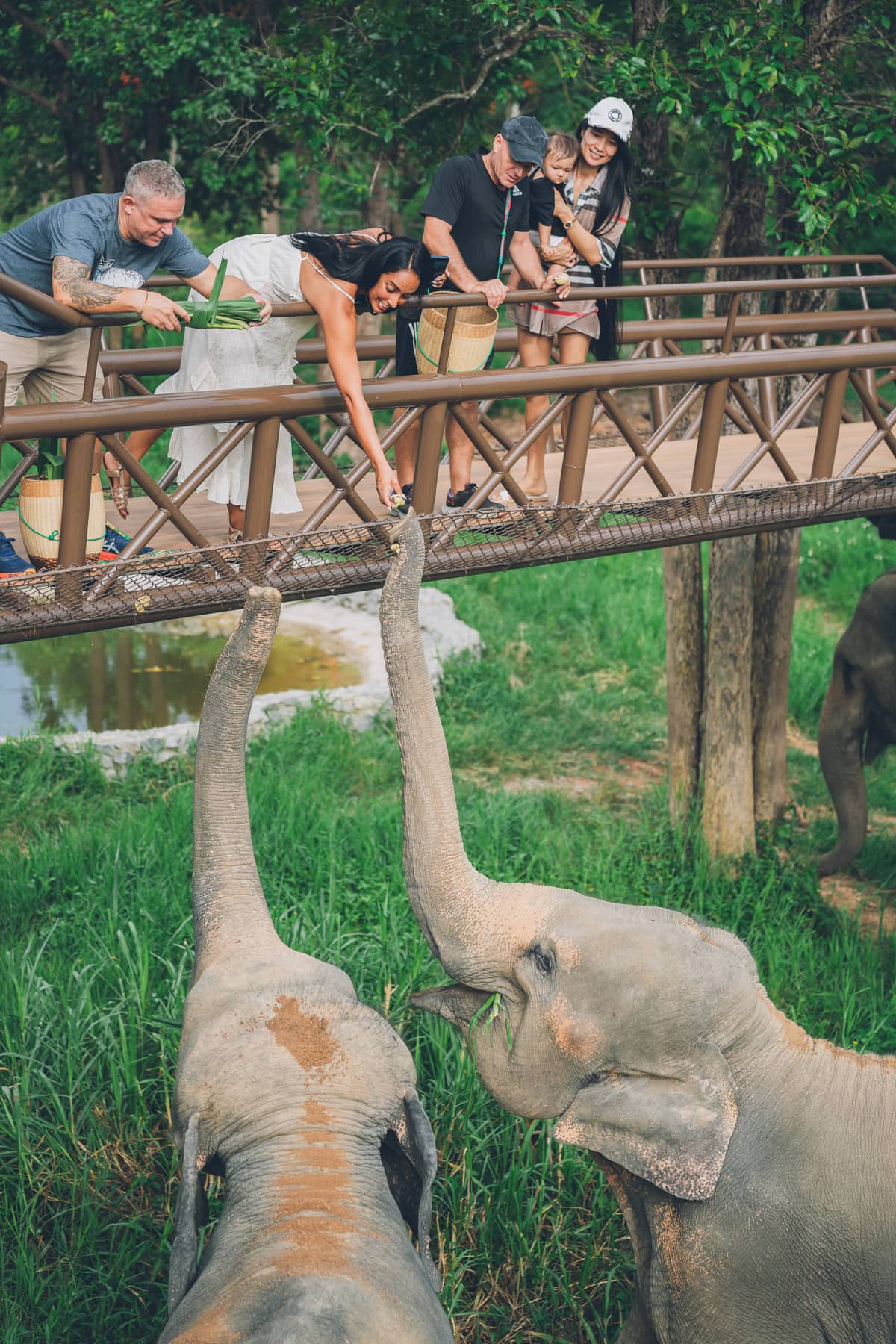
At Samui Elephant Kingdom, guests observe rescued elephants, help prepare food, feed from the elevated skywalk, learn about nutrition and behavior, and watch the herd move through sanctuary spaces.

  • Choose no-riding venues.
  • Avoid shows, circus-style performances, painting, dancing, and forced posing.
  • Be cautious with bathing programs where elephants cannot opt out.
  • Look for education about welfare, rescue history, and daily care.
  • Prefer observation-first experiences over constant close contact.

Look for transparent visitor rules

Responsible venues clearly explain what visitors can and cannot do. Rules should protect elephants, visitors, and staff. If a venue avoids answering welfare questions, that is a reason to keep looking.

Samui Elephant Kingdom states that riding, hooks, forced tricks, circus-style entertainment, and forced bathing are not part of the sanctuary experience.

Check whether the program funds long-term care

Rescued elephants need daily food, veterinary care, habitat maintenance, shade, enrichment, and experienced mahouts. A good sanctuary should connect tourism revenue to those ongoing responsibilities.

Samui Elephant Kingdom describes conservation and sustainability work that includes a Green Lung tree-planting program, upcycled plastic products supporting Southern Thailand Elephant Foundation, education programs, and plans for improved elephant medical care.

FAQ
Are feeding programs ethical?

Feeding can be ethical when it is supervised, uses appropriate food, avoids crowding or pressure, and remains part of a broader welfare-led program.

Is hands-off always better?

Less pressure is usually better. The key is whether elephants can behave naturally and whether human contact is controlled by welfare rules rather than guest demand.

WhatsAppChat with us on WhatsApp